





Automotive Mechanic Certifications: Everything You Need To Know
You don't need a mechanic certification to work as an automotive technician at one of our DARCARS dealerships, but it can significantly help you advance your career. Whether you're already working in an entry-level service role or are brand-new to the auto industry, understanding the pros and cons of auto mechanic certification is a smart career move.
Today, we're answering common questions about automotive technician certification, including "Do you have to go to college to be a mechanic?" "How long does it take to be a certified mechanic?" and "Can mechanic certification help me make more money?" We'll also discuss the different types of certification and their benefits. If reading this page makes you excited to jump-start your automotive career or redirect your automotive career, we hope you'll apply for an open position through DARCARS Careers.
Need-to-Know Info About Mechanic Certification
- No college degree required.
- Obtained via the ASE, I-CAR, or specific OEMs.
- Hands-on experience is a core requirement.
- Mechanic certification can increase your earning potential.
- DARCARS dealerships can sponsor your ASE, I-CAR, or OEM training.
What Is Mechanic Certification?
Mechanic certification is an official credential – kind of like an automotive degree, but without the need for formal college – that validates your skills and knowledge in vehicle repair. Beyond just proving what you know, these credentials signal to employers that you possess the professional discipline required to stay ahead in a rapidly changing industry. You can earn these credentials by completing classes and tests through specific auto manufacturers (OEMs) like Ford or Nissan, the National Institute for Automotive Service Excellence (ASE), or the Inter-Industry Conference on Auto Collision Repair (I-CAR). Gaining these certifications often acts as a bridge between entry-level roles and high-level diagnostic positions, providing a clear roadmap for career advancement.
- ASE certification usually takes one to three years and does not require a high school diploma or GED.
- I-CAR certification allows you to move at your own pace through their ProLevel 1, 2, and 3 training paths, helping you build foundational skills and advance to specialized capabilities.
- OEM certification can take between 90 days and two years and usually does require a high school diploma or GED.
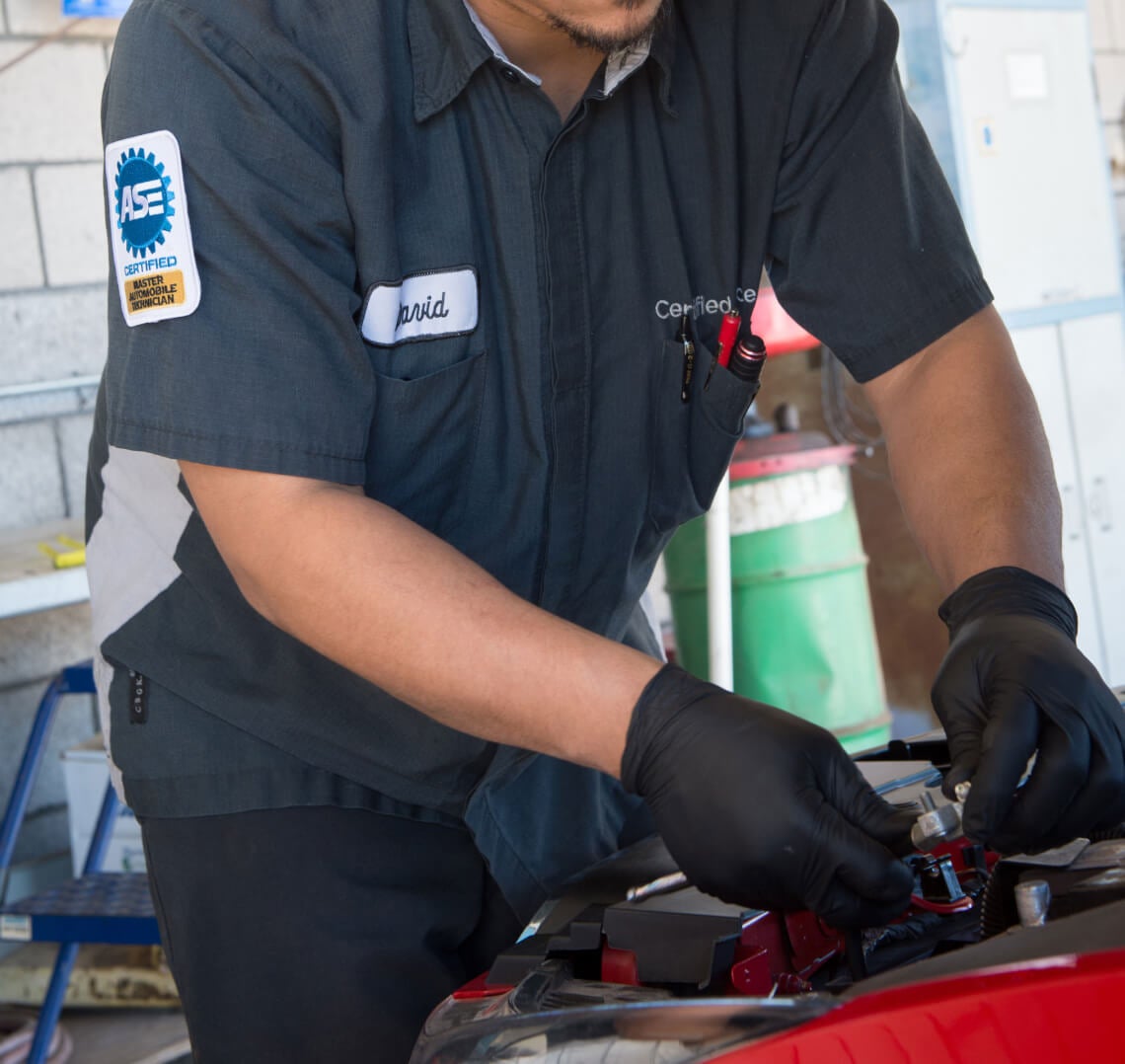
How Difficult Is Mechanic Certification for the Average Person?
Does mechanic certification feel like it might be hard, especially if traditional school wasn't your strong suit? While earning credentials from globally recognized organizations is designed to be challenging, it is entirely achievable.
In mechanic certification, real technical knowledge is often just as important as memorized facts, so if you're a better hands-on learner, you still have a high chance of doing well in your training and on tests. By asking questions of more experienced technicians as you train and studying your coursebooks or training notes, passing a certification exam is very realistic. Additionally, having a deep interest in cars or an engineering-minded mindset never hurts, as well.
The Most Common Types of Mechanic Certification
There are several common types of auto repair certification, and they're given by the three different entities we mentioned above: the ASE, I-CAR, and auto manufacturers. You can choose to work toward any of the following ASE certifications, I-CAR ProLevels, or OEM licenses. The more credentials you hold, the faster your pay is likely to go up. Please note that DARCARS dealerships do not require ASE, I-CAR, or OEM certification for entry-level positions, but these recognitions will help you advance within our network.
1. Student ASE Certification
If you have no automotive experience but want to work toward a credential, the ASE student program is a great option. Student ASE certification shows that you have entry-level knowledge about vehicle repair and maintenance and, most importantly, does not require previous work experience.
2. Standard ASE Certification
ASE certification is highly respected and covers a wide range of specializations, including engine repair, brake systems, AC and heating, suspension and steering, electrical systems, and manual and automatic transmissions. You can also choose to earn an ASE Master Technician certification.
3. Specialty ASE Certification
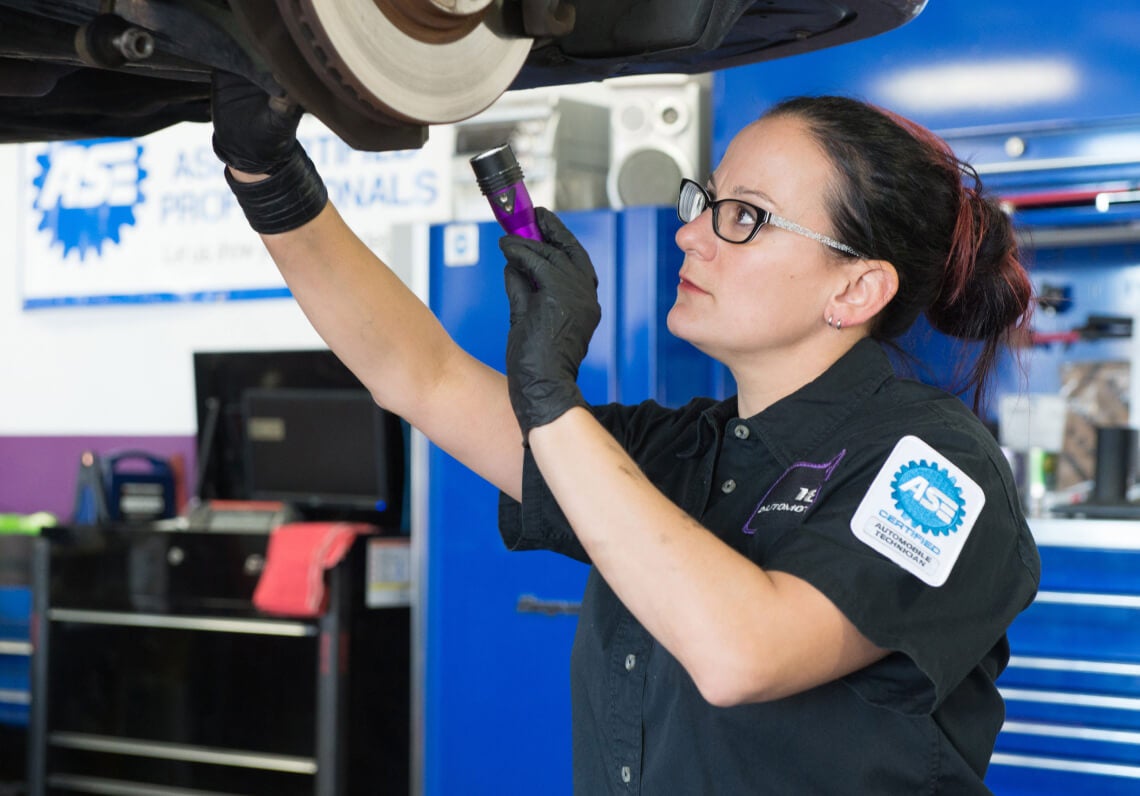
You can earn credentials for diesel, hybrid, electric, or collision repair through the ASE, and having one or more to your name can make you stand out when applying for jobs. Example specialty ASE certifications include AC Refrigerant Certification and Diesel Mechanics Certification.
4. I-CAR ProLevel Certification
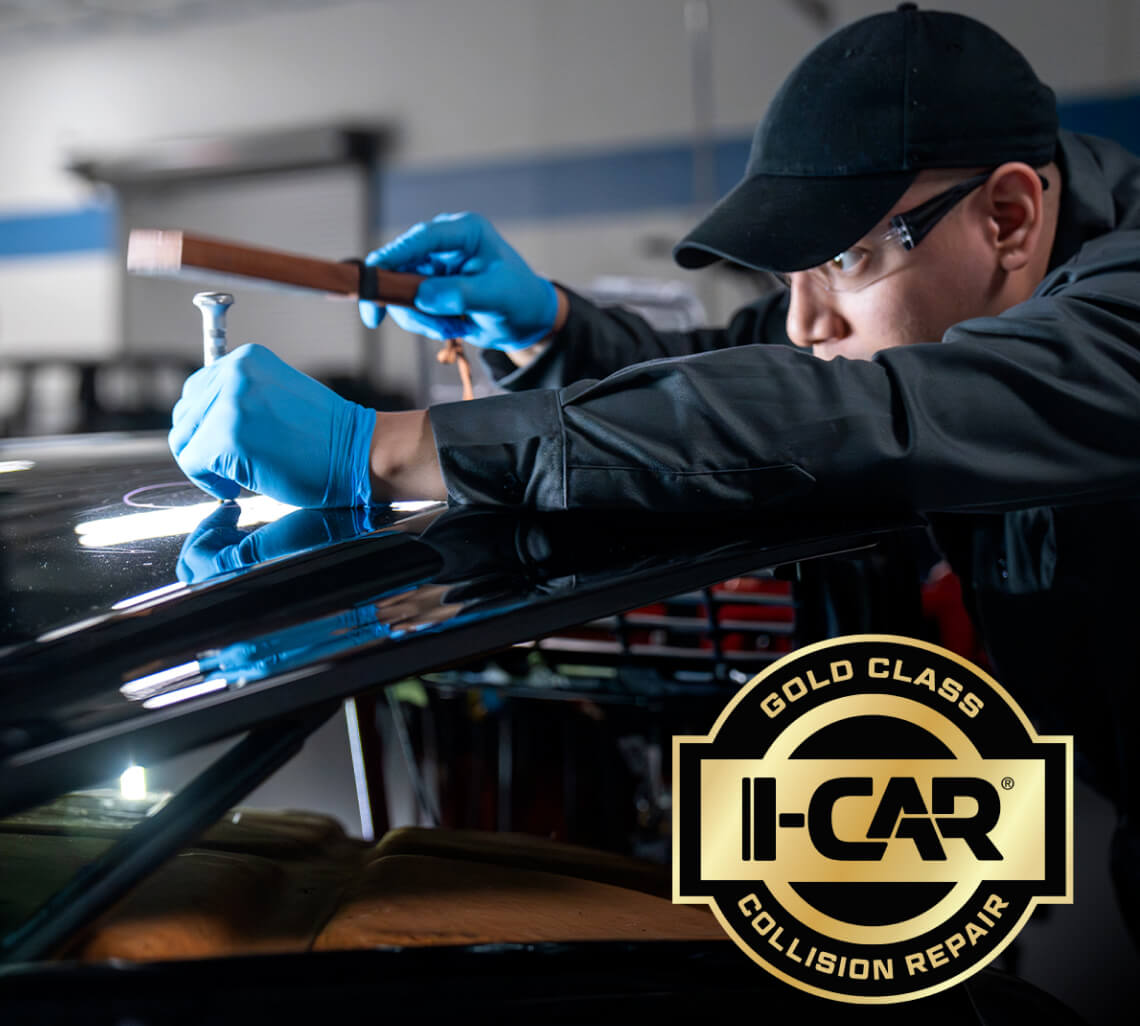
I-CAR designates its certifications by levels: ProLevel 1, 2, and 3. This training path starts with foundational skills and ends with highly specialized capabilities. You can enroll in a wide range of I-CAR Academy classes and work toward various certifications.
5. Manufacturer Certification
Auto manufacturers can train and test you on their specific brand's engineering. This type of mechanic certification might be very useful to you if you only want to work with a certain OEM – like Lexus or BMW – or become a master of brand-specific systems.
How To Get Certified as a Mechanic
Becoming certified through the ASE, I-CAR, or OEMs doesn't mean you need to enroll in college, but it does mean you'll need hands-on experience with vehicle repairs and passing test scores. Below, you'll find a basic outline for how to get certified as a mechanic, followed by more specific mechanic education requirements for ASE, I-CAR, and OEM certifications.
Basic Mechanic Certification Process
- Meet any work experience requirements for your desired program.
- Enroll in the training and certification program of your choice.
- Gain on-the-job experience at an auto body shop, service center, or dealership.
- Pass any required exams to prove you've acquired the needed skills.
- Keep your credentials current by recertifying every few years as necessary.
Mechanic Education Requirements for ASE Certification
- Pass any ASE tests.
- Prove relevant work experience or relevant formal training.
Mechanic Education Requirements for I-CAR Certification
- Complete I-CAR coursework.
- Pass any I-CAR tests.
Mechanic Education Requirements for OEM Certification
- Hold a high school diploma or GED (usually).
- Complete OEM training.
- Pass any OEM tests.
Do DARCARS Dealerships Require Mechanic Certification?
You usually don't need any mechanic certification to work as a lube tech, tire installer, express technician, or shop helper at a service center, and our DARCARS dealerships certainly don't require it for entry-level roles. However, having credentials can open so many doors for your career path. Certification can lead to increased pay and opportunities for promotion as an automotive technician – just to name a few perks. If you want a more detailed comparison of certified vs. noncertified mechanic jobs, let's dive in.
Certified Mechanic vs. Noncertified Mechanic Benefits: What's the Difference?
All this talk about mechanic certification probably has you wondering if taking classes and tests is worth your time. Honestly, the answer depends on your goals. If you're interested in advancing in the automotive industry through promotions and higher pay, an automotive technician career path is right for you. If you'd rather stay in junior-level work or want to wait a while before deciding to earn a credential, then there's no need to enroll in an ASE, I-CAR, or OEM program right now.
What Are the Advantages of Becoming a Certified Mechanic?
- Higher hourly wages.
- More likely to be promoted.
- Possibility for managerial or team-lead roles.
- Skills that transfer to almost any service location.
- Increased peace of mind for your customers.
- Keeps you current with industry advancements.
- Helps you make faster and more precise repairs.
- Establishes your credibility if you open your own business.
- Certifications can be stacked to really increase your pay.
What Are the Advantages of Working as an Uncertified Mechanic?
- Entry-level positions are still possible.
- No upfront course registration or test fees.
- No need for continuing education.
No Matter What, Auto Mechanic Work Has Its Rewards
The great news is that, no matter which option you choose – certified or noncertified work – you'll be learning transferable skills that could help you move into other areas of the automotive industry or a different industry altogether. Many technicians talk about how rewarding it feels to diagnose and repair vehicles, especially when they get to see the difference their work makes in the lives of real customers.
Other benefits of a career as a mechanic include exceptional job security and daily variety in your work. You might start your morning with an oil change, diagnose a leaking transmission case before lunch, and repair an exhaust pipe before clocking out for the day!
Perks of Working for a DARCARS Dealership
Are you curious about our DARCARS benefits and what you can expect from a job with us? We value our employees' time, health, and education, which is why we provide workplace advantages like these:
- Generous paid time off
- Several holidays
- Health, vision, and dental insurance
- Life insurance and 401(k) options
- Career growth opportunities
- Continuing education and training
- Employee discounts on purchases and repairs
DARCARS also has its own DARCARS University – or DCU – which can help our employees grow their automotive skills, gain new knowledge about vehicle updates and changes, and explore new possibilities like mechanic certification. Remember that you can also train to get your mechanic certification while you're a DARCARS employee; there's no need to quit just to get your credentials. We love to see our service staff increase their knowledge through ASE, I-CAR, and OEM training!
Apply and Start Your DARCARS Automotive Career Today
Regardless of whether you already hold an automotive technician certification, are in the process of training for one, or have no interest in pursuing a credential, you can apply for a DARCARS mechanic job. We have dealerships all along the East Coast, and many of them are looking for hardworking individuals who are eager to help customers, repair vehicles, and become part of a successful service team.
If a mechanic or technician job doesn't seem to fit you, but a position in sales or finance would, we encourage you to check out our current DARCARS automotive careers openings online. Every job within the DARCARS community matters, from the front desk staff to our automotive valets. In addition to valuing our employees, we also like to donate to local and national charities. By working at a DARCARS store, you can feel good about helping each customer you see and each nonprofit we support.
Frequently Asked Questions About Mechanic Certification
Is it worth getting ASE certified?
If you want an automotive career that can grow and pay more, an ASE certification can help get you there. Without an ASE license (or another type of credential), you are probably limiting your pay range and opportunities for promotion within most service centers. DARCARS Careers can help you get ASE certified when you become a DARCARS employee.
What are the eight ASE certifications?
Below, we've listed the eight ASE certifications. However, you only need all eight if you want an ASE Master Automobile Technician certification. You can also complete ASE credentials à la carte.
- A1 – Engine Repair
- A2 – Automatic Transmission/Transaxle
- A3 – Manual Drive Train and Axles
- A4 – Suspension & Steering
- A5 – Brakes
- A6 – Electrical/Electronic Systems
- A7 – Heating & Air Conditioning
- A8 – Engine Performance
What certifications should I get as a mechanic?
You don't need any certification to work as an entry-level mechanic at most service centers, but to land jobs as anything other than a shop helper, lube technician, tire installer, or another beginner role, you will want to get an ASE, I-CAR, or OEM mechanic certification. If you'd like, DARCARS Careers can help you get one or more of these certifications during your time at our company.